The Single-Story Rule That Actually Sets Prices on La Jolla Mesa
August 27, 2026
August 27, 2026
Pull up La Jolla home prices on any portal and you get one number for the whole zip code. As of August 2026 that number sits around $2.49 million for homes currently listed, with price per square foot down about 6 percent from a year earlier. Look at closed sales over the trailing three months instead and the figure drops closer to $2.3 million, with homes now taking about 38 days to sell versus 25 days over the same stretch last year. A separate home value index put the citywide average at $2,476,319 as of the end of May, up 4.4 percent year over year.
Those numbers describe La Jolla. They do not describe La Jolla Mesa.
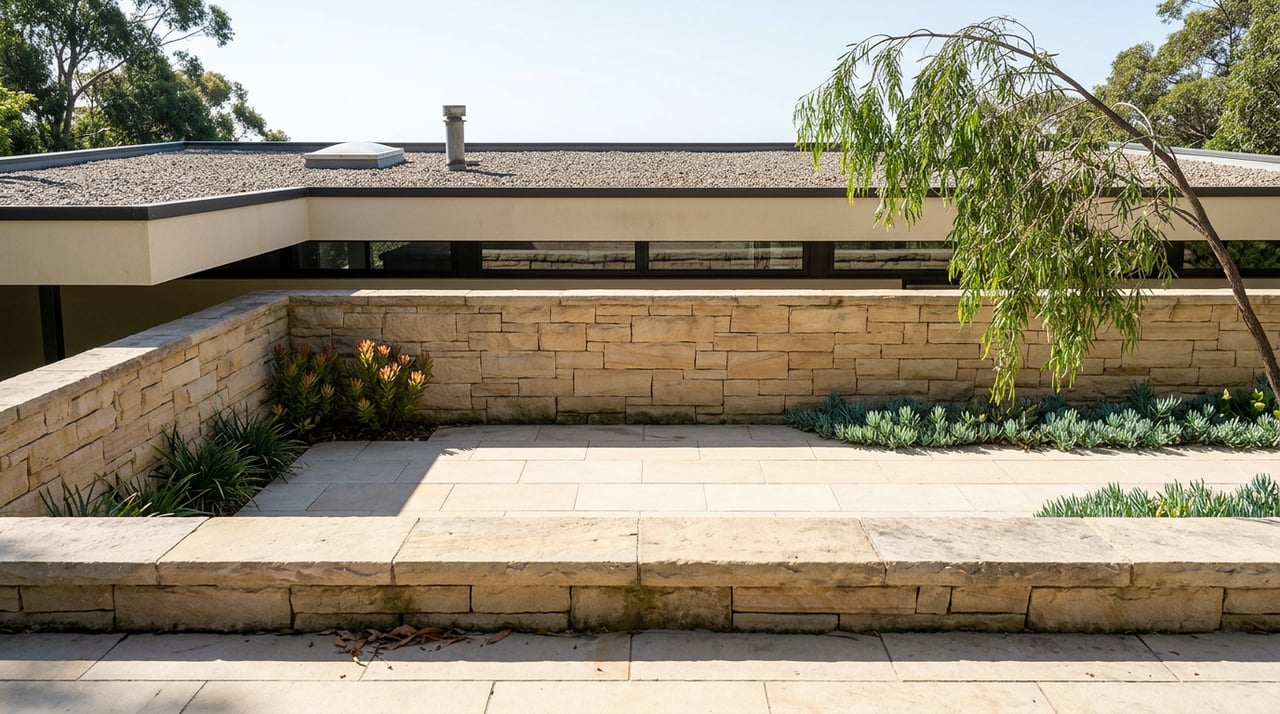
La Jolla Mesa is a small pocket on the southwestern slope of Mount Soledad, tucked between Bird Rock and Pacific Beach, with roughly 1,872 residents spread across about 654 households. Most of the houses went up in the 1940s and 1950s, built low and wide to catch ocean, bay, and city views from the hillside. There are no condos here and no townhomes. Every property is single-family, and prices run from roughly $1.2 million for an entry-level view home to a recent sale north of $6 million for a rebuilt estate on the same hill.
That range is the tell. A neighborhood this small does not produce enough transactions in a given year to generate a stable median. A single $6 million close and a single $1.3 million close in the same quarter will drag the average in opposite directions, and neither number says much about what the next house on Rutgers Road, Candlelight Drive, or Moonlight Lane will actually sell for. The citywide median is a rollup of hundreds of sales across a dozen distinct micro-markets. La Jolla Mesa's own number is a rollup of maybe a handful.
| La Jolla, citywide | La Jolla Mesa | |
|---|---|---|
| Housing stock | Mix of condos, townhomes, single-family | Single-family only, zero condos |
| Typical build era | Spans decades, coastal to inland | Concentrated 1940s-1950s |
| Price range | Roughly $1M condos to $10M+ oceanfront | Roughly $1.2M to $6M+ |
| Days on market | 38 days over trailing 3 months through May 2026 | Too few sales to report reliably |
| What sets value | Location, proximity to coast, building type | Elevation, lot position, and view-stack zoning |
The citywide figure blends Village condos, Shores cottages, and Farms estates into one median. La Jolla Mesa strips that variety out entirely. What's left is a market where the only variable that really moves price is how much of the ocean, bay, and skyline a given lot can legally keep.
Houses on Mount Soledad are stacked on a slope, which means a second story built on one lot can block the view for every house directly behind and above it. La Jolla Mesa deals with that problem the way hillside neighborhoods usually do: zoning. Many of the neighborhood's streets, including Rutgers Road, Candlelight Drive, and Moonlight Lane, restrict new construction to a single story specifically to protect the sightline for the homes uphill.
That is not a private agreement between neighbors. It is a public zoning designation, which means it shows up in permit review, not in a listing photo. A buyer touring two nearly identical ranch homes three blocks apart could be looking at very different long-term value if one sits on a street where a future owner can add a second story and the other doesn't. The home on the restricted street has a view that is protected by law rather than by hope. The home on the unrestricted street has a view that lasts only until someone next door pulls a permit.
A view in La Jolla Mesa is not something the current owner controls. It's a zoning outcome, enforced street by street.
This is also why "no condos" and "single-story restrictions" belong in the same sentence. Both rules exist to protect the same asset: an unobstructed line of sight down the hill to the Pacific, Mission Bay, and the San Diego skyline. Remove either one and the neighborhood starts trading like every other hillside pocket in the county.
A few minutes away, on the southeastern slope of the same mountain, Soledad South runs a completely different playbook. Communities like Mount La Jolla, Windermere, and Ridgegate mix single-family homes with condos and townhomes, several of them gated and built around shared amenities: multiple pools, tennis courts, a clubhouse. A four-bedroom home on Soledad Mountain Road recently closed around $2.4 million. Ridgegate homes have listed in the $1.6 million to $1.7 million range. Condos at Ventana have priced from around $1.4 million. Homes in this pocket typically sell within three to seven weeks.
That's not a worse trade than La Jolla Mesa. It's a different one. Soledad South sells shared infrastructure and lower entry points, including a condo option that doesn't exist a few blocks over. La Jolla Mesa sells exclusive, zoning-protected sightlines and full control of a single-family lot, with no HOA dues and no shared walls, but also no amenity package and no way to buy in below roughly $1.2 million. A buyer comparing the two on median price alone is comparing two different products that happen to sit on the same hill.
If you're weighing a specific address in La Jolla Mesa against something in Soledad South, or against another Mount Soledad-facing property, the median won't answer the question that actually matters. These three will:
None of this shows up in a citywide market report, and it's exactly the kind of detail that only surfaces once you're looking at a specific address rather than a zip code average.
Does La Jolla Mesa have an HOA? No. Every property is a single-family home, and the neighborhood has no shared amenities or association dues. Anything you'd get from a pool, gate, or clubhouse in a community like Soledad South, you'd need to build or arrange privately here.
Can I add a second story to a home on a single-story-restricted street? Not without relief from the applicable zoning, which exists specifically to preserve the view stack for neighboring properties. This is a detail worth confirming with the city before writing an offer on any property where you're planning a future addition.
Why is the price range in La Jolla Mesa so wide compared to other La Jolla pockets? Because the neighborhood is small, with only a few hundred households, and because elevation and view exposure vary block by block. A handful of luxury sales in a given quarter can move the average dramatically without reflecting what a typical home nearby will actually sell for.
If you're comparing La Jolla Mesa to another pocket of Mount Soledad, or trying to figure out what a specific parcel's zoning actually allows before you make an offer, the Nelson Brother Team can walk the block with you and pull the real answer, not the citywide one. Let's Connect.


We are Drew and Tim Nelson of the Nelson Brothers Team at Willis Allen Real Estate. Having closed on over $1B+ of sales volume, and over $114M in 2022, we are one of the top producing teams specializing in coastal luxury real estate and investment
property in La Jolla - where we were born, raised and currently reside with our families. We both went to the University of Southern California, where Drew earned a BA in Finance and Business Economics with a concentration in Real Estate, and Tim
completed the Marshall School of Business Entrepreneurship Program. The combination of our collective experience, knowledge, and resources allows us to offer our clients more. More expertise. More responsiveness. More ideas. More solutions.
More success. More of what you deserve from your real estate agent!
Stay up to date on the latest real estate trends.
September 17, 2026
September 10, 2026
September 3, 2026
August 27, 2026
August 20, 2026
August 13, 2026
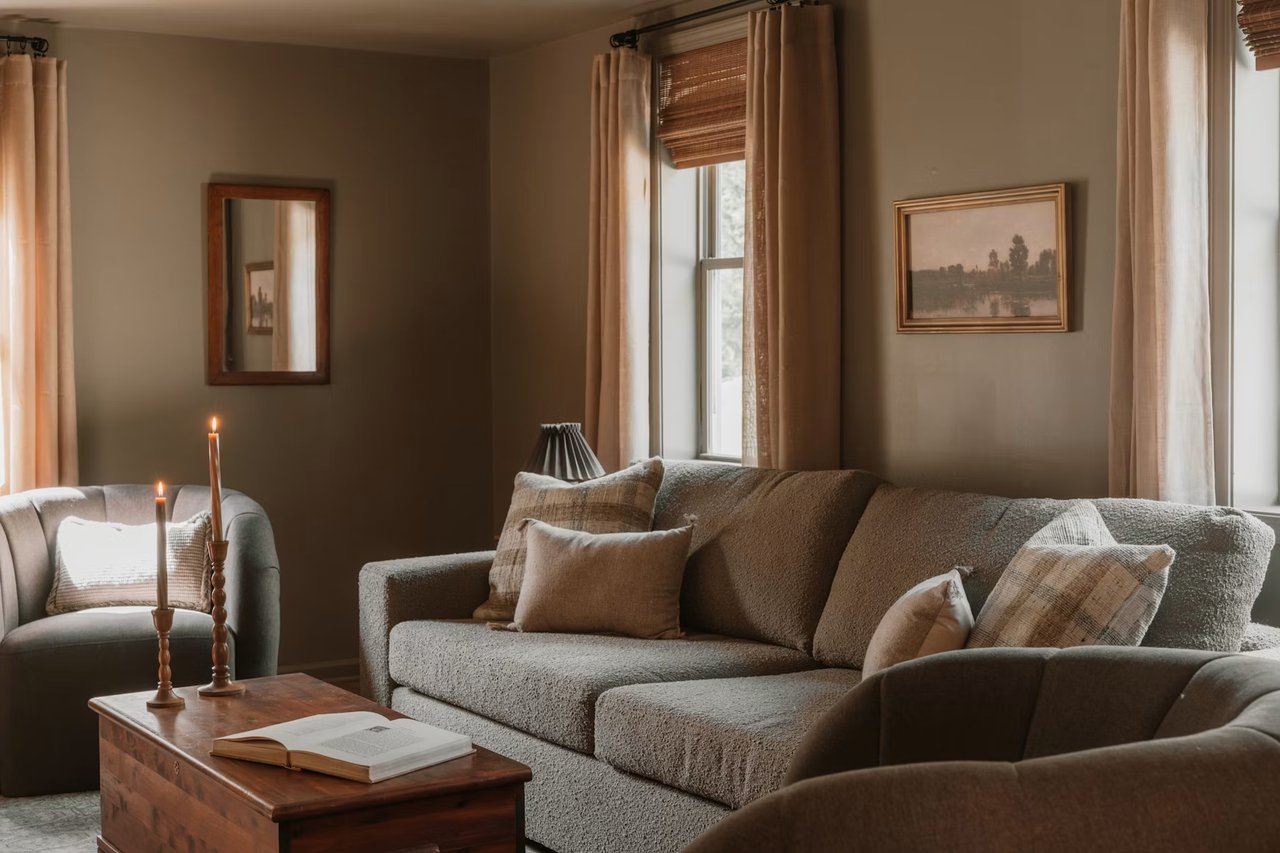
Proven Staging Tips La Jolla Sellers Use to Attract Serious Offers.
August 13, 2026
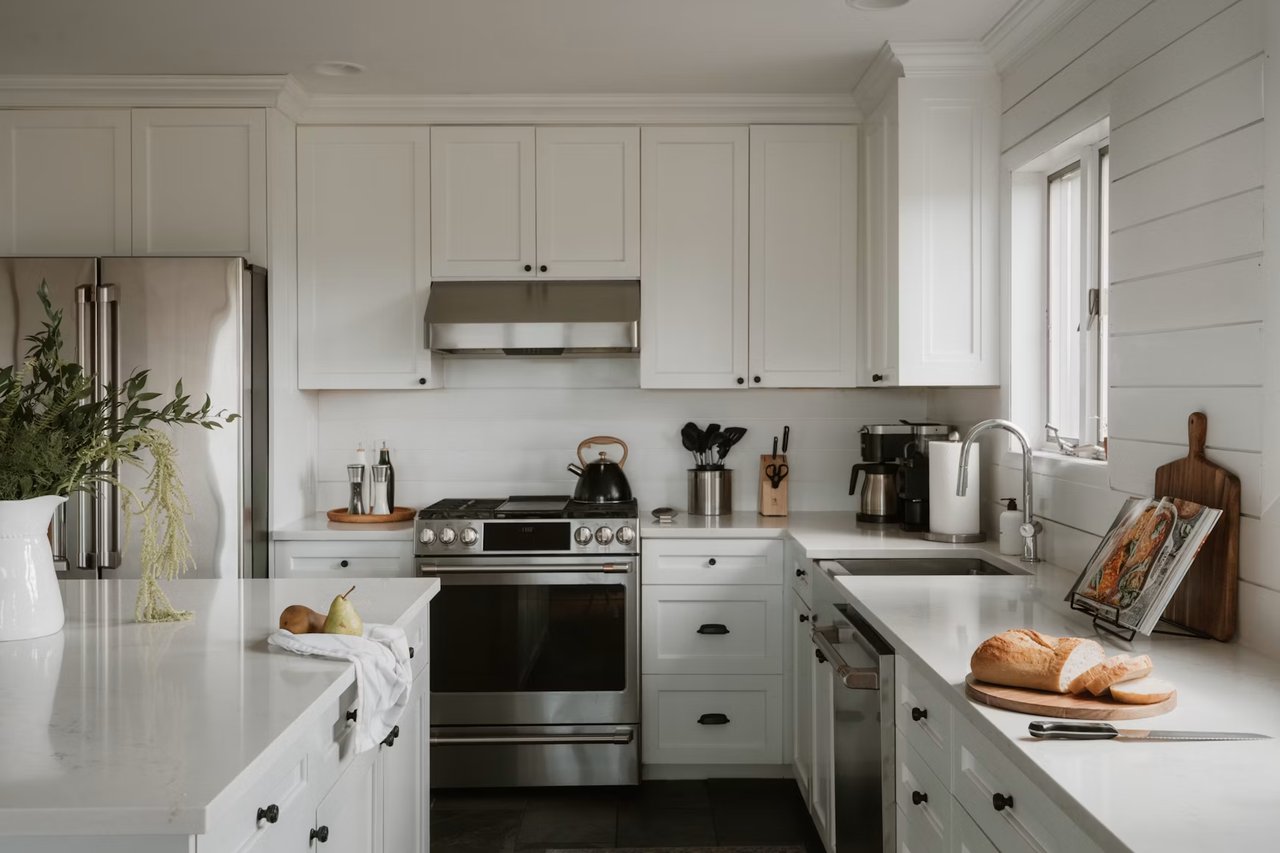
Smart Ways to Invest in Home Improvements.

August 13, 2026
Your Guide to the Best After-Work Spots in La Jolla.

August 13, 2026
Marketing Tips and Strategies We Recommend for Clients.
The combination of our collective experience, knowledge, and resources allows us to offer our clients more. More expertise. More responsiveness. More options. More ideas. More solutions. More success. More of what you deserve from your real estate agent!