Barber Tract Or La Jolla Shores: Choosing Your Beach Base
May 14, 2026
May 14, 2026
Trying to choose between Barber Tract and La Jolla Shores? You are not just picking a home. You are choosing the kind of beach life you want to live every day. If you are weighing privacy, architecture, walkability, beach access, and long-term value in La Jolla, this guide will help you understand where these two coastal pockets really differ. Let’s dive in.
At first glance, both neighborhoods offer a premium coastal La Jolla address. Both sit near the ocean, both are supply-constrained, and both appeal to buyers who want a rare beach-close property in one of San Diego’s most established communities.
The bigger difference is character. Barber Tract feels more historic, more residential, and more individual. La Jolla Shores feels more beach-oriented, more planned, and more convenient for an everyday sand-and-surf routine.
That distinction matters because La Jolla is already about 99 percent built out, according to City of San Diego community information. In a market with very limited new supply, the details of each micro-location carry real weight for both lifestyle and resale.
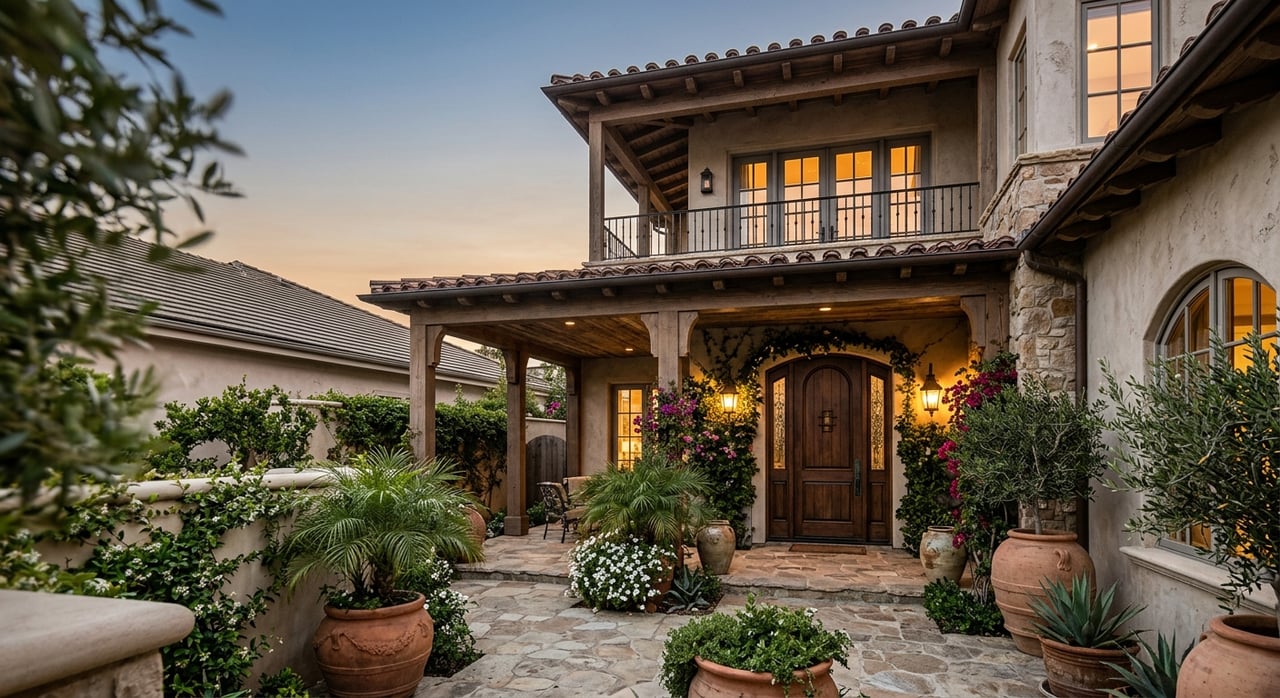
Barber Tract is one of La Jolla’s older coastal pockets. City historical materials tie the area to early-20th-century development by Philip Barber, with curving streets, underground utilities, and architect-designed homes that still shape the neighborhood’s feel today.
If you are drawn to homes that feel distinctive rather than standardized, Barber Tract often stands out. City preservation materials identify Tudor Revival and other historic-resource examples in the area, and the tract is still treated as a potential historic district in city records.
That charm can come with added considerations. Some properties may involve preservation sensitivity, maintenance obligations tied to designation, or historic review factors. In certain cases, qualifying homes may also have access to the Mills Act Program, which can reduce property tax.
La Jolla Shores offers a different kind of appeal. The area has its own Precise Plan, Planned District Ordinance, and Planned District Advisory Board, all aimed at preserving its beach-oriented identity, open space, and predominantly single-dwelling character.
For many buyers, that translates to a more predictable neighborhood pattern. The community plan was designed to keep retail activity centered on Avenida de la Playa while limiting multiple-dwelling units to designated areas.
In everyday terms, Shores tends to feel more organized around beach living. You get a clearer village center, a more defined pedestrian rhythm, and a housing mix that is generally easier to understand at a glance.
If beach access is your top priority, La Jolla Shores usually has the easier everyday setup. The City of San Diego describes La Jolla Shores as a sandy beach of about 1 mile, with generally gentle summer waves, permanent lifeguard coverage, and amenities that support a wide range of activities.
Those amenities include beach wheelchairs, fire pits, picnic areas, a playground, a boat launch, parking, volleyball, restrooms, and showers. Kellogg Park sits right at the beach, which adds to the family-friendly, all-day use appeal.
Barber Tract connects more closely with Windansea and nearby access points like Marine Street, Jones Beach, and Nicholson Point. That coastline is beautiful and iconic, but the experience is more surf-driven and less all-purpose.
Windansea is known for rocky conditions and moderate to severe shore break. The community plan also notes limited parking along Neptune Place and more restricted shoreline movement in some stretches, which can matter if you expect easy drop-ins with guests, kids, or beach gear.
A lot of buyers think they are comparing price first, but they are often really comparing routines. The question is simple: what do you want your average Saturday morning to look like?
If you picture walking to coffee, grabbing a casual bite, and heading to a sandy beach with built-in amenities, La Jolla Shores often fits better. The area was intentionally planned to keep retail concentrated and pedestrian-oriented around Avenida de la Playa.
If you picture a quieter residential setting, architecturally interesting homes, and access to a more scenic, surf-centered coastline, Barber Tract may feel more aligned. It tends to be more house-focused and less self-contained for daily errands.
Walkability is not perfect in either neighborhood, but La Jolla Shores generally has the edge in the available sources. Walk Score lists La Jolla Shores at 49, while Redfin lists Beach Barber at 32.
That gap lines up with how the neighborhoods function on the ground. Shores has a more obvious beach-village layout with nearby dining and day-to-day convenience, while Barber Tract is primarily residential and depends more on your exact address and your willingness to walk farther toward the Village or coast.
If you want a neighborhood where you are more likely to leave the car parked for short outings, Shores is usually the stronger fit. If your priority is atmosphere over convenience, Barber Tract may still win for you.
Both neighborhoods sit in La Jolla’s premium coastal tier, but Barber Tract generally trades at a higher level. Spring 2026 snapshots from Realtor.com show Beach Barber with a median listing price of $3.65 million, compared with $2.447 million in La Jolla Shores.
Redfin’s March 2026 snapshots point in the same direction, with a median sale price of $2.4065 million in Beach Barber versus $1.845 million in La Jolla Shores. Because the platforms use different methodologies, the cleanest takeaway is directional rather than exact.
The market signal is clear enough. Barber Tract usually commands a higher price point and higher rental level, while La Jolla Shores tends to offer a broader amenity package at a lower typical entry point.
A higher price does not automatically make one neighborhood better. It usually reflects a different mix of scarcity, architecture, and buyer demand.
Barber Tract can appeal to buyers who value one-off design, historic character, and a more private residential setting. Those traits can support long-term interest because they are hard to replicate in a nearly built-out La Jolla market.
La Jolla Shores may appeal more to buyers who want strong day-to-day usability. If your decision blends lifestyle and practicality, the Shores often offers a compelling balance of beach access, walkability, and a lower typical entry point than Barber Tract.
Before you decide on your beach base, it helps to get honest about how you will use the property. These questions can quickly clarify which neighborhood matches your goals.
One practical issue often gets overlooked until after closing: guest access. If you expect friends or family to visit often, beach parking and general ease of arrival can have a real impact on how usable the home feels.
La Jolla Shores has a dedicated beach parking lot and broad public beach infrastructure, though the city notes that the lot can fill quickly on summer weekends. Barber Tract’s nearby coastal access points are more limited, and parking can be tighter around Windansea and Neptune Place.
If you entertain often or want low-friction beach access for visitors, Shores may feel easier. If privacy and a more tucked-away coastal experience matter more, Barber Tract may still be worth the tradeoff.
Barber Tract and La Jolla Shores are both exceptional, but they serve different priorities. Barber Tract leans toward architectural individuality, historic context, and a quieter residential feel. La Jolla Shores leans toward convenience, beach amenities, and a more walkable village rhythm.
In a market as nuanced as La Jolla, the best decision usually comes from matching the street, block, and property type to your real lifestyle, not just the map label. If you want help sorting through the tradeoffs between these two neighborhoods, the Nelson Brother Team brings deep La Jolla perspective, strategic guidance, and the kind of street-level insight that helps you buy with confidence.


We are Drew and Tim Nelson of the Nelson Brothers Team at Willis Allen Real Estate. Having closed on over $1B+ of sales volume, and over $114M in 2022, we are one of the top producing teams specializing in coastal luxury real estate and investment
property in La Jolla - where we were born, raised and currently reside with our families. We both went to the University of Southern California, where Drew earned a BA in Finance and Business Economics with a concentration in Real Estate, and Tim
completed the Marshall School of Business Entrepreneurship Program. The combination of our collective experience, knowledge, and resources allows us to offer our clients more. More expertise. More responsiveness. More ideas. More solutions.
More success. More of what you deserve from your real estate agent!
Stay up to date on the latest real estate trends.
September 17, 2026
September 10, 2026
September 3, 2026
August 27, 2026
August 20, 2026
August 13, 2026
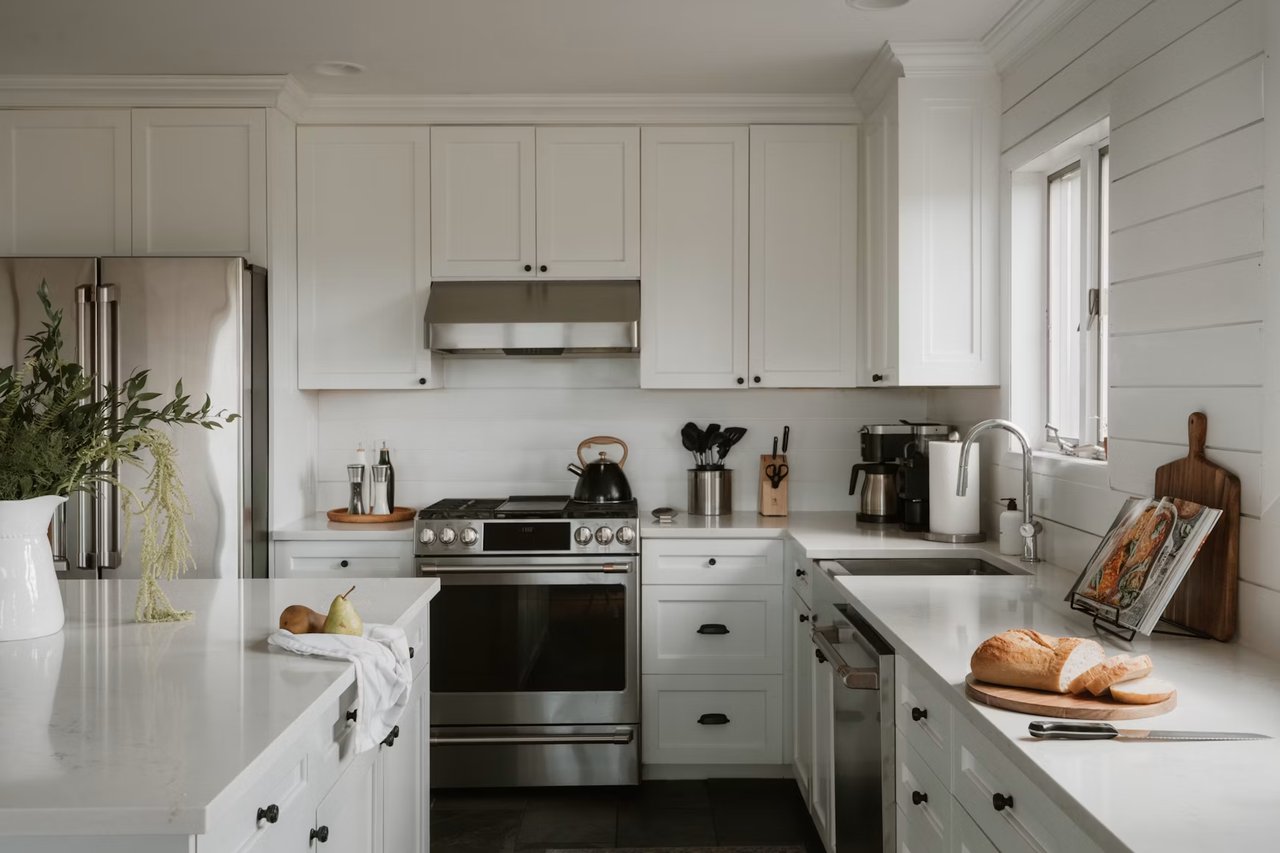
Proven Staging Tips La Jolla Sellers Use to Attract Serious Offers.
August 13, 2026
Smart Ways to Invest in Home Improvements.

August 13, 2026
Your Guide to the Best After-Work Spots in La Jolla.

August 13, 2026
Marketing Tips and Strategies We Recommend for Clients.
The combination of our collective experience, knowledge, and resources allows us to offer our clients more. More expertise. More responsiveness. More options. More ideas. More solutions. More success. More of what you deserve from your real estate agent!