By the Nelson Brothers Team
Moving can be a major transition, not only for you but also for your four-legged companions. If you’re planning a move and want to make sure that your pets are comfortable and happy throughout the process, you’re already on the right track.
This guide will walk you through every stage, from prepping your pets before the move to helping them settle into their new environment. You'll discover step-by-step tips to reduce stress, along with practical advice for a smooth transition.
Key Takeaways
- Understand how to prepare your pets ahead of time.
- Learn practical ways to reduce stress for your animals.
- Find out how to pack and transport your pets safely.
- Get tips for helping your pets adjust to a new space.
Preparing Your Pets for the Journey
Preparation is key when it comes to moving with pets. Well before the moving day arrives, it’s essential to start preparing your animals for the upcoming changes, as pets are highly sensitive to alterations in their routines and surroundings. By making small adjustments in advance, you can help them feel more at ease during the transition.
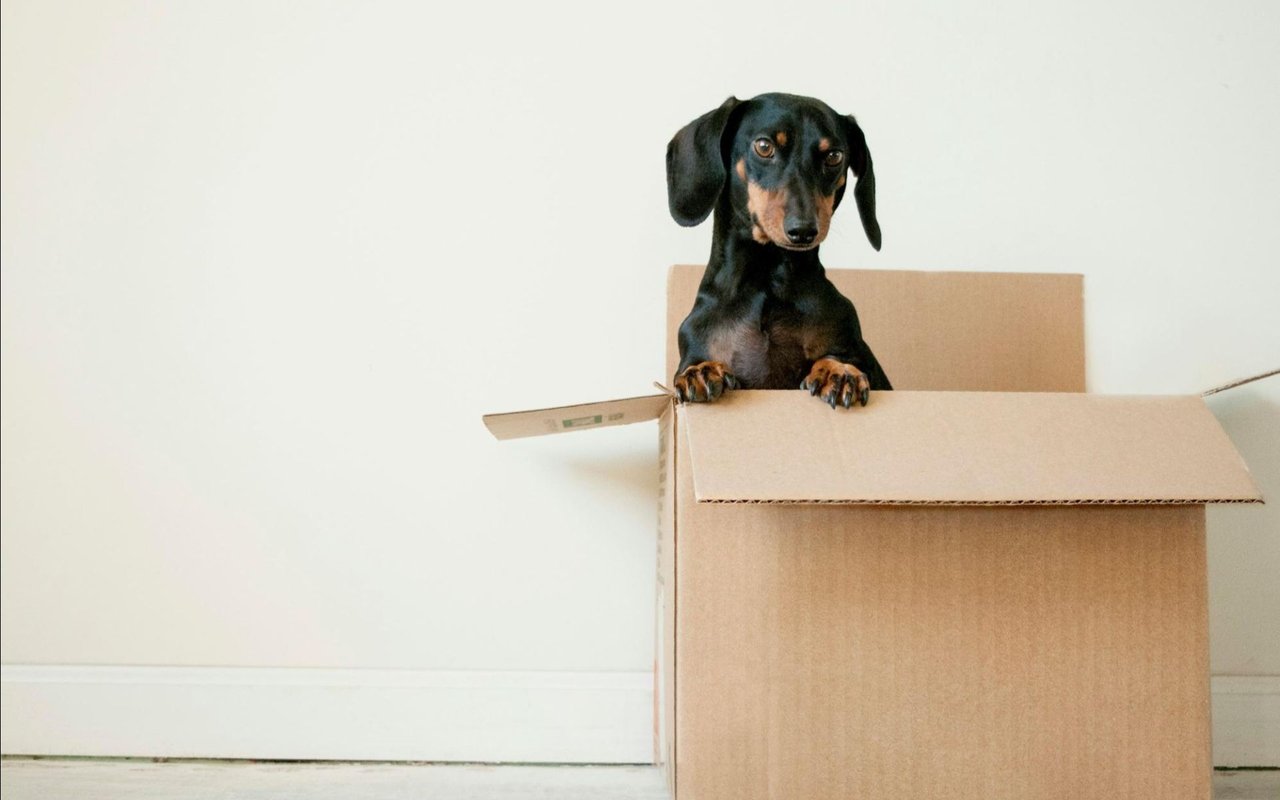
Start by gradually introducing moving supplies into your home. Boxes, suitcases, and packing tape can make pets anxious if they appear suddenly. Let your pets investigate these new objects so that they don’t feel so overwhelmed.
Consider keeping your pet’s favorite toys, bedding, or blankets out until the very last day; familiar smells can go a long way in providing comfort. If you’re moving to a long distance, visit your veterinarian for a wellness check, refill any medications, and update identification tags or microchips with your new address.
If your pet gets anxious during car rides or when routines change, slowly begin getting them used to car travel or the presence of new people in the house, such as movers. Take short drives with your pet, and reward them with treats to build positive associations. Try to keep feeding times, walks, and playtime as consistent as possible up to moving day.
Before the Move
- Bring out moving boxes early so that your pet gets used to them.
- Keep routines as normal as possible leading up to the move.
- Schedule a vet visit for a check-up and a records update.
- Make sure identification tags and microchips are current.
- Help your pet get accustomed to car travel in advance.
Packing And Organizing With Pets In Mind
Packing can quickly become chaotic, which may cause your pets to feel unsettled. It’s important to create a safe, quiet space for your pets while packing.
Ideally, set up a quiet, pet-safe room where they can relax, away from the busiest areas of your home. Fill this space with familiar items, such as their bed, favorite toys, and treats. Play soothing music or leave the TV on at a low volume to mask unusual noises and keep stress levels down.
Be sure to pack an essentials kit for your pet, including food, water, dishes, leashes, medications, grooming supplies, and comfort items. This kit should be easily accessible, as you’ll need it during the move and immediately upon arrival at your new home. Avoid washing pet bedding before the move; familiar scents help provide reassurance in unfamiliar surroundings.
When packing up the rest of your house, work systematically so you don’t disrupt your pet’s environment all at once. If you have more than one pet, try to keep them together for comfort. Keep dangerous items, such as packing tape, scissors, or small objects, out of reach to prevent accidents.
Packing And Organizing
- Designate a quiet room as your pet’s safe zone.
- Pack a separate essentials kit for your pet’s needs.
- Leave bedding unwashed to retain familiar scents.
- Keep hazardous packing materials out of reach.
- Pack up your home in sections to minimize disruption.
Traveling To Your New Home With Pets
Moving day can be intense for both humans and pets. If possible, arrange for your pets to stay with a trusted friend or at a reputable boarding facility during the busiest hours. If that’s not an option, keep your pets in their designated safe space until you’re ready to leave.
When traveling, secure your pet safely in a well-ventilated carrier or crate that’s large enough for them to stand, turn around, and lie down. Never allow pets to roam freely in the car; this can be dangerous for both you and your animal. Make frequent stops if your journey is long. Never leave your pet alone in a parked car, especially in extreme temperatures.
If you’re flying, be sure to check airline policies regarding pet travel well in advance. Some airlines have specific requirements for carriers and may require health certificates.
Pet Travel
- Use a secure, comfortable carrier or crate for transport.
- Double-check airline or travel requirements if flying.
- Keep your pet’s essentials kit within easy reach.
Settling Into Your New Home
After you arrive, the adjustment period begins. The unfamiliar sights, sounds, and smells can be overwhelming for pets, so patience is essential. Set up a quiet room in your new home with your pet’s familiar items before allowing them to explore the entire space. Gradually introduce them to new areas, supervising as they investigate. Cats, in particular, benefit from a slow introduction to new rooms.
Stick to regular feeding, play, and exercise routines as much as possible. The predictability of their schedule helps pets feel more secure. Let your pets explore at their own pace, and provide plenty of praise and treats for calm behavior. Watch for signs of stress, such as hiding, changes in appetite, or excessive vocalization, and give them time to adjust.
If you have a yard, check for potential hazards and ensure it’s properly fenced before letting your pet outside. Walk your dog around the neighborhood on a leash so they can get familiar with new sights and smells.
Helping Pets Adjust
- Set up a quiet, familiar room for your pet to relax in.
- Maintain routines for feeding, exercise, and playtime.
- Introduce your pet to new spaces slowly and calmly.
- Use praise and treats to reinforce good behavior.
- Check outdoor areas for hazards before exploring.
FAQs
How Can I Reduce Stress For My Pet During A Move?
Keep routines as consistent as possible, provide a safe and quiet space, and use familiar items. Gradually introduce changes and offer plenty of praise and treats.
What Should I Pack For My Pet On Moving Day?
Prepare an essentials kit with food, water, bowls, medications, leashes, grooming tools, and comfort items like favorite toys or blankets.
How Do I Help My Pet Adjust To A New Home?
Introduce them to one room at a time, maintain familiar routines, and supervise them as they explore new spaces. Offer patience, affection, and rewards for calm behavior.
What Should I Do If My Pet Seems Stressed After The Move?
Allow them time to adjust, keep their environment predictable, and monitor for ongoing signs of distress. If concerns persist, consult your veterinarian for additional support.
Make Your Move With Pets Stress-Free
Moving with pets might feel like a major task, but with proper planning, you can help your furry friends thrive before, during, and after your move.
Focus on comfort, routine, and positive experiences to make your next move a new adventure for every member of your household — paws included. With these tips, you and your pets are set for a smooth start in your new home. Work with us at the
Nelson Brothers Team for trusted guidance as you start the next chapter in La Jolla.